Tchad: why the president’s pardon of opposition figures matters
Political scientist Ahmat Yacoub Dabio explains why the presidential pardon granted to key opposition leaders in Chad is a step forward—but warns it’s only the first move toward lasting reconciliation.
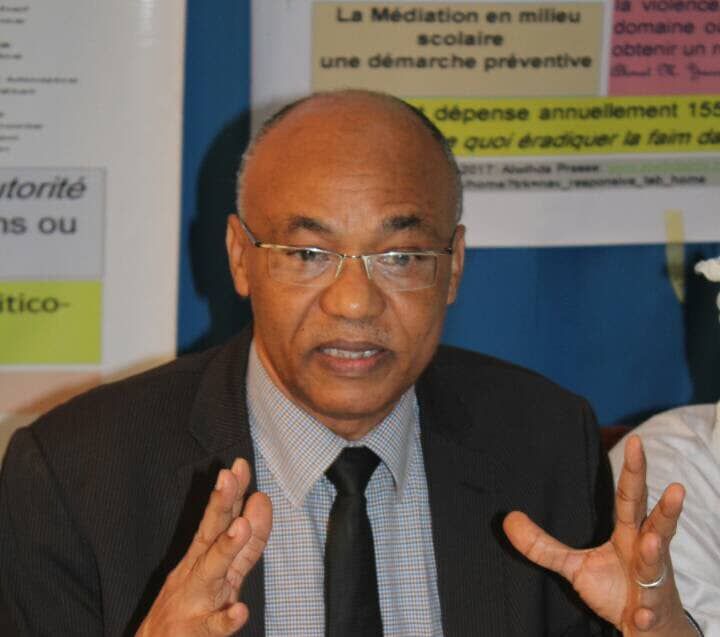
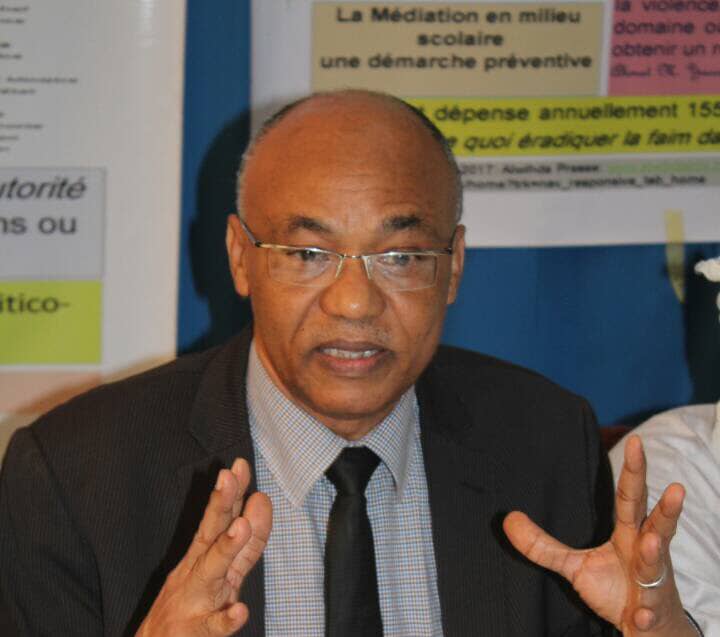
The recent presidential pardon of prominent opposition figures in Chad marks a significant political gesture, according to conflict management expert Ahmat Yacoub Dabio. As president of the Centre for Development and Extremism Prevention Studies (CEDPE), he views this decision as a temporary easing of tensions, creating room for political dialogue and reduced hostility in the national landscape.
Yet Dabio cautions against conflating clemency with genuine political reconciliation. The core issue remains unaddressed: what conditions are truly needed for long-term political thawing? The challenge is even more pressing given that several high-profile opposition leaders, though pardoned, remain barred from running in elections. This paradox—where mercy is granted yet electoral exclusion persists—risks deepening divisions rather than healing them.
The CEDPE warns that this situation could reshape Chad’s political landscape in unpredictable ways. Traditional parties may struggle to adapt, potentially weakening their influence, while a younger generation of leaders—more focused on practical concerns like jobs, purchasing power, security, and justice—could gain ground. However, if the ineligibility of opposition figures is seen as a permanent exclusion, it may fuel resentment and undermine social cohesion.
In Dabio’s assessment, a presidential pardon alone cannot restore trust between the government and opposition. Chad needs a credible, inclusive, and transparent framework—one that goes beyond symbolic gestures—to turn this opening into a durable national reconciliation process.