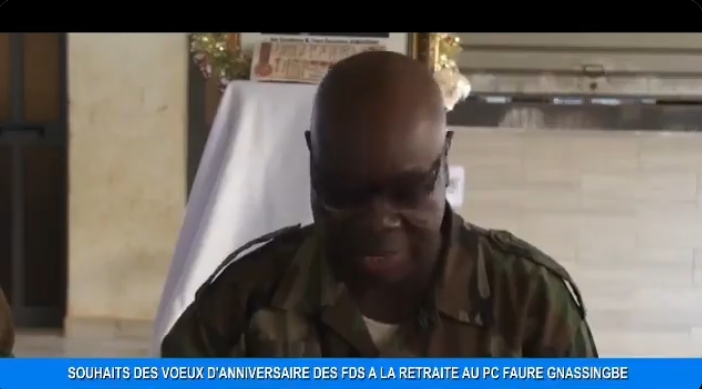
The political landscape in Togo has grown increasingly tense, with recent remarks from groups described as paramilitary loyalists or militia members drawing sharp criticism from civil society and opposition figures. Audio recordings and social media posts feature individuals pledging unwavering allegiance, declaring their readiness to “defend the Gnassingbé family’s hold on power at all costs,” even in the face of widespread public dissent.
Loyalist rhetoric that defies republican norms
These statements stand out for their bold rejection of institutional neutrality. By framing their security role around the survival of a presidential dynasty rather than the Constitution or national institutions, these actors are effectively positioning themselves as a praetorian guard. One phrase, repeated across multiple declarations, encapsulates their stance: “If the people no longer want them, we will fight to the end.”
Observers warn that such language is not merely rhetorical but a deliberate attempt to intimidate those advocating for political change. The emergence of these groups also raises concerns about the existence of parallel armed structures or radicalized factions within the informal security apparatus.
Civil society and opposition respond with alarm
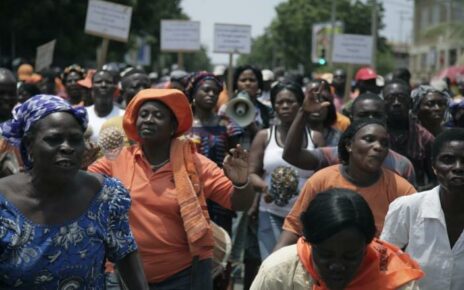
Human rights organizations and opposition leaders have condemned these declarations, drawing chilling parallels with past periods of political violence in Togo. Their concerns center on two key threats:
- Erosion of democratic norms: Opposition figures argue that these statements aim to instill fear, discouraging peaceful public mobilization and undermining democratic processes.
- Call for state accountability: Advocacy groups are urging official authorities and military leadership to publicly distance themselves from these groups and unequivocally condemn such inflammatory rhetoric.
The critical question of military neutrality
In Togo, where the armed forces have long been intertwined with political power, the rise of self-proclaimed “ultimate shields” operating outside official channels raises troubling questions. Journalistic scrutiny must distinguish between state institutions and the actions of partisan groups. The public emergence of these entities could signal a dangerous shift toward the privatization of legitimate violence—a core function of the state.
Thus far, official responses have remained conspicuously silent on these specific declarations. Authorities appear to prioritize institutional stability and national security, particularly amid regional instability, but have not addressed the growing influence of these ultra-loyalist factions.
Looking ahead: a test of political will
As Togo navigates a complex post-constitutional environment, how the government in Lomé handles these loyalist discourses will reveal its true intentions. Will it pursue a path of dialogue and reconciliation, or will it double down on confrontation, risking further polarization?