Senegal’s rts 1 faces renewed criticism over constitutional revision broadcast decision
A recent decision by RTS 1, Senegal’s national public broadcaster, to not air the parliamentary session on constitutional reform has ignited a fierce debate across social media platforms. As online users voice strong objections to what they perceive as a contentious editorial stance, discussions about the media’s portrayal of national institutions are escalating in Senegal.
The media coverage surrounding the proposed constitutional revision continues to be a hot topic in Senegal. On Monday, June 29, 2026, RTS 1 once again drew scrutiny after opting against a live broadcast of the plenary session dedicated to reviewing Bill No. 17/2026, which proposes amendments to the Constitution.
This absence of live transmission immediately fueled a torrent of reactions on social media. Numerous internet users condemned the editorial choice as selective and potentially politically motivated. Within minutes of the parliamentary proceedings commencing, comments surged across X (formerly Twitter).
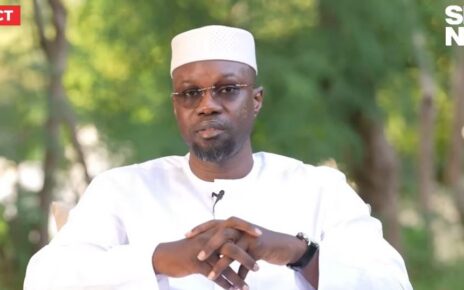
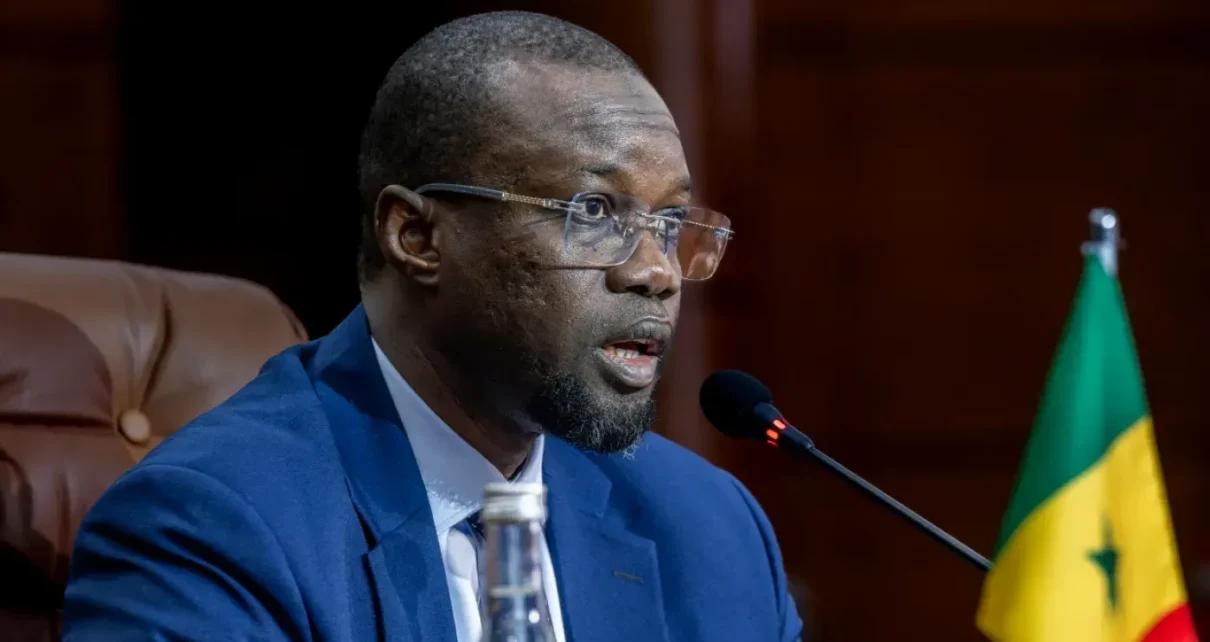
Many users expressed profound bewilderment regarding the broadcaster’s decision. Others interpreted it as a deliberate strategy to marginalize certain political figures from public discourse, specifically highlighting concerns about the visibility afforded to interventions related to Ousmane Sonko within the institutional media landscape.
“Plenary Session – Examination of Bill No. 17/2026 on Constitutional Revision,” simply stated the account of Maps Cissé, noting the lack of corresponding television coverage on the public channel. This observation quickly sparked widespread outrage and discussion.
Online, comments fluctuated between weary resignation and sharp criticism. Some internet users remarked that “this is no longer a surprise,” while others decried what they saw as the normalization of such limited media treatment for significant institutional events. Messages circulating included phrases like “unsurprising decision,” “disappointing,” and “persistent incomprehension” concerning the role of the public television station.