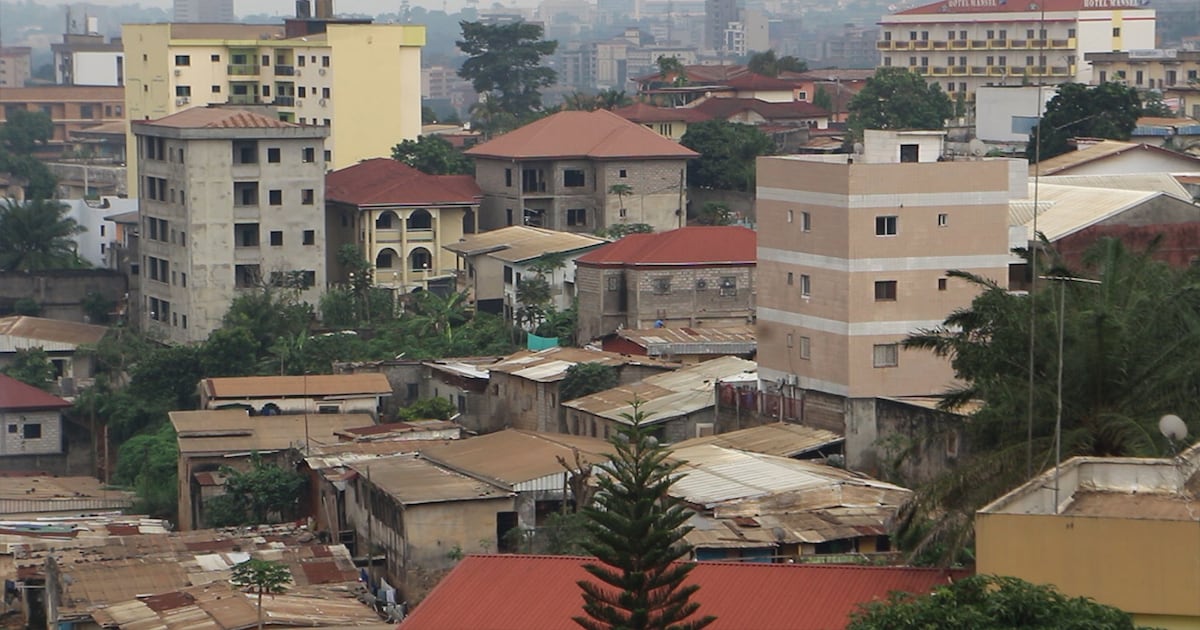
«Yaoundé has transformed in ways I never imagined when I was a child,» reflects a lifelong resident who has watched the city grow from a modest settlement into a bustling political capital. «The city I knew twenty years ago was confined to the Atemengué plateau, with only small extensions toward neighborhoods like Mokolo and Nlong-Kak. The rest of the area remained semi-rural. Today, it’s almost unrecognizable.»
This rapid expansion has been driven by an influx of new residents each year, swelling the city’s population and absorbing surrounding localities. What was once a quiet village has become a dynamic urban center, where modern infrastructure now defines the landscape. The transformation reflects both opportunity and challenge, as the city struggles to balance growth with sustainable development.
Urban planners like Blaise Feugang, a housing and urban development delegate in Nyong et So’o, emphasize the need for smarter construction strategies. «Cities like Yaoundé must prioritize vertical growth over horizontal sprawl,» he asserts. «Building upward is not only more cost-effective but also enhances the aesthetic appeal of urban spaces.» According to experts, adopting high-rise construction could streamline resource allocation and improve city planning efficiency.
While some advocate for relocating the capital to meet international urban standards, others argue that improving housing conditions for families should take precedence. The debate highlights the complexities of managing a city that has outgrown its original boundaries, transforming from a rural enclave into a political and economic powerhouse.