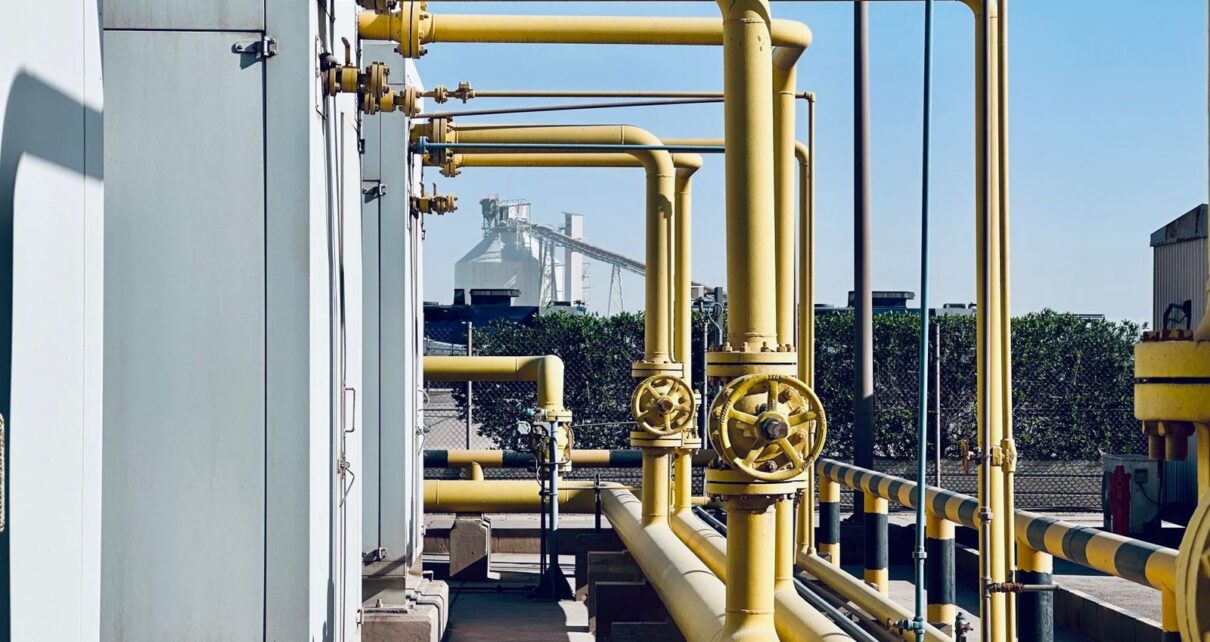
The Chad-Cameroon pipeline has become a steady revenue stream for Cameroon’s public treasury. Between 2020 and 2025, the Ministry of Finance recorded FCFA 222.2 billion in transit fees collected from Chadian crude oil transported to the Kribi maritime terminal. This figure, from the Medium-Term Economic and Budgetary Programming Document (2027-2029), translates to an annual average of FCFA 37 billion—a fee charged for every barrel crossing Cameroonian soil.
Chad, a landlocked nation without coastal access, relies entirely on this pipeline to export its oil. The transit fee is calculated per barrel transported, with rates adjusted periodically under agreements between the two countries. The actual revenue for Cameroon depends on three key factors: the per-barrel tariff, the volume of oil shipped, and the dollar-FCFA exchange rate.
Transit income triples over a decade
Comparing the first decade of operations with recent years highlights the dramatic increase in revenue. According to the Pipeline Steering and Monitoring Committee (PSMC), Cameroon earned FCFA 85.5 billion in transit fees during the first eight years of operations, which began on October 3, 2003. That averaged FCFA 10.7 billion per year—less than a third of today’s FCFA 37 billion annual take. Even over a shorter two-year span, recent collections exceed the full first eight years by FCFA 136.7 billion.
While the surge is clear, breaking down its exact causes remains challenging. The transit fee revenue depends on multiple variables: the per-barrel rate, the physical volume of oil transported, and the dollar-FCFA exchange rate. Without a detailed annual breakdown of the FCFA 222.2 billion, isolating the contribution of each factor is impossible.
Tariff hikes drive revenue growth
One major driver of the increase is the successive tariff adjustments. When the pipeline launched in 2003, the transit fee stood at $0.41 per barrel. It was raised in 2013, then again in 2018, reaching $1.321 per barrel—more than tripling in fifteen years. This alone has mechanically increased Cameroon’s revenue, regardless of oil volumes shipped.
A new rate was scheduled to take effect on October 1, 2023, as per the existing agreement. However, no updated tariff has been announced to date, leaving future transit fee projections uncertain. Tariff negotiations remain a persistent diplomatic topic between Cameroon and Chad.
Comparing past and present revenue requires caution
When reviewing historical data, it’s essential to clarify accounting differences. COTCO, the operator of Cameroon’s pipeline segment, reported roughly FCFA 200 billion in payments to the treasury between 2004 and 2013. However, this total included income tax and other levies paid by the company—not just transit fees. As such, it cannot be directly compared to the FCFA 222.2 billion collected between 2020 and 2025, which covers only transit fees. The exact share of transit fees within COTCO’s FCFA 200 billion remains undisclosed, making the FCFA 85.5 billion from the first eight years the most reliable benchmark for comparison.
The pipeline’s financial importance to Cameroon remains evident. By May 2026, transit fees had already reached FCFA 15.1 billion for the year, according to PSMC data. While this doesn’t predict the full-year total, it underscores the pipeline’s role in Yaoundé’s oil-export revenue. Industry analysts highlight that the pending tariff update—expected since October 2023—will be a key factor in shaping future revenue trends.