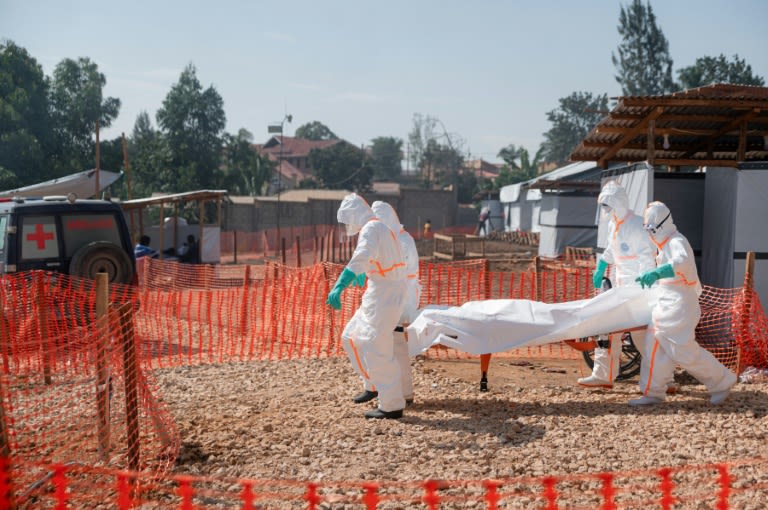
Ebola outbreak spreads to sixth province in Democratic Republic of Congo
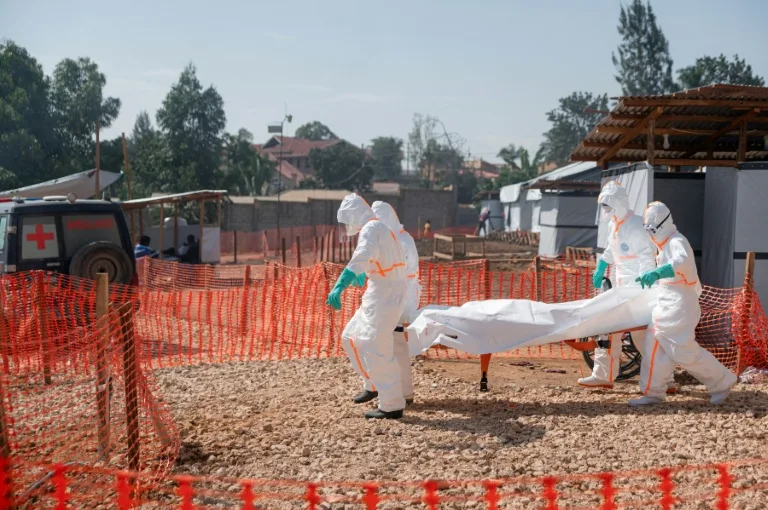
The deadly Ebola epidemic in the Democratic Republic of Congo (DRC) has now reached a sixth province in the country’s northern region, raising concerns about potential cross-border spread to neighboring South Sudan. This marks a critical escalation in what health officials describe as the nation’s most devastating outbreak to date.
Authorities confirmed the 17th Ebola outbreak in the DRC on May 15, weeks after the first cases were detected. The current crisis has already surpassed previous records, with over 2,128 fatalities reported from 4,566 confirmed cases within just three months—a pace far exceeding the devastating 2018–2020 epidemic that claimed nearly 2,300 lives and infected 3,500 people.
The Africa Centres for Disease Control and Prevention (Africa CDC) highlighted the alarming speed of transmission, noting that the current outbreak has seen seven times more cases and five times more deaths in its initial phase compared to the 2014 West African epidemic.
New province hits critical mark
Until recently, the outbreak had concentrated in five provinces: Ituri (bordering Uganda and South Sudan), North Kivu, South Kivu, Haut-Uélé, and Tshopo. However, a fatal case has now emerged in Bas-Uélé, a previously unaffected province in the north that shares a border with the Central African Republic.
The deceased individual had traveled from the neighboring Haut-Uélé province, where Ebola cases were already documented. Africa CDC Director Jean Kaseya emphasized the unprecedented global spread of the virus during a recent briefing with journalists.
Cross-border risks intensify
Humanitarian organization Mercy Corps has warned of a heightened risk of the virus crossing into South Sudan. The NGO pointed out that confirmed cases are now located just 35 kilometers from the South Sudanese border, along high-risk transit routes.
Factors such as overwhelmed health services, limited access to clean water and sanitation, and widespread insecurity—particularly in conflict zones like North and South Kivu—are severely hampering containment efforts. Mercy Corps noted that these conditions create barriers for response teams attempting to reach vulnerable communities.
Ongoing challenges in containment
The provinces of North and South Kivu remain particularly vulnerable, divided by active frontlines between the Congolese army and the M23 rebel group, which has seized significant territory with alleged Rwandan support. Despite these obstacles, the DRC’s Ministry of Health declared the end of the Ebola epidemic in South Kivu after 42 consecutive days without new cases.
Health officials also dismissed concerns about a suspected case detected on a boat traveling the Congo River toward Kinshasa in early August. After testing, no additional cases were found among passengers, who were permitted to disembark near the capital.
Global impact of Ebola
Ebola, transmitted through bodily fluids, causes severe hemorrhagic fever and has claimed over 15,000 lives across Africa over the past five decades. While the World Health Organization (WHO) expressed cautious optimism about reversing the outbreak’s upward trend within three months, the situation remains precarious as the virus continues to exploit gaps in preparedness and response.

Related Articles