An unassuming line in Gabon’s revised 2025 finance law reveals one of the most dramatic budget adjustments in recent years. The corporate tax expected from the mining sector has plummeted by 97%, dropping from 53.2 billion to just 1.47 billion CFA francs. No other taxpayer category faces such a drastic reduction. For a nation that has leaned heavily on extractive industries to diversify its economy beyond oil, this revision means a direct loss of 51.8 billion CFA francs—nearly 80 million euros—on a single fiscal line.
Budget shockwave hits Gabon’s mining-driven growth strategy
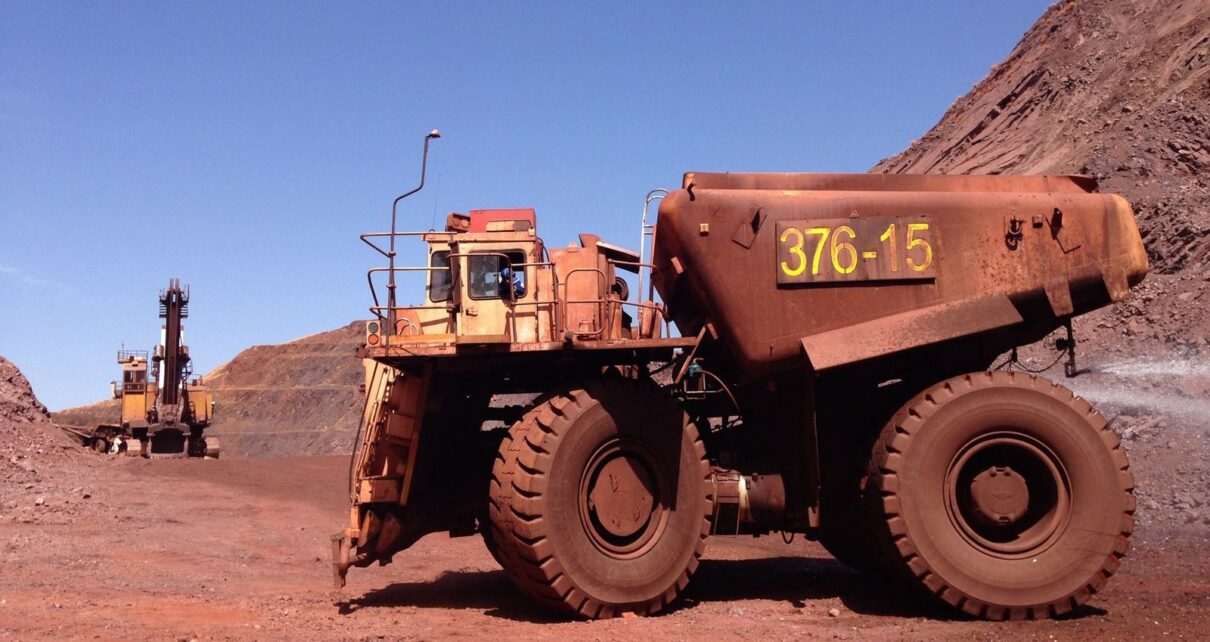
Manganese ranks alongside timber and petroleum as Gabon’s third-largest foreign exchange earner. The country holds the position of the world’s second-largest manganese producer, with most extraction centered in the Haut-Ogooué region. Key players include the Compagnie minière de l’Ogooué (Comilog), a subsidiary of the French group Eramet, and Nouvelle Gabon Mining. Since the military-led Comité pour la transition et la restauration des institutions (CTRI) took power in 2023, authorities have repeatedly stressed the need to boost fiscal returns from mining concessions. Yet the drastic tax cut in the revised budget tells a different story.
Multiple factors may explain the sharp decline. International manganese prices have tumbled since mid-2024, following a sharp spike earlier in the year triggered by a mine fire in Australia. The price correction directly squeezed the profit margins of Gabon’s mining operators, shrinking their taxable bases. Still, the gap between projected and actual revenue raises questions about the accuracy of the initial budget assumptions.
Fiscal transparency tested amid extractive rents
The situation carries added weight because Gabon has re-engaged with the Extractive Industries Transparency Initiative (EITI) after years of inactivity. The 51.8 billion CFA franc shortfall is equivalent to several months of civil service salaries in key ministries. This revenue loss comes as Libreville negotiates a new support framework with the International Monetary Fund, all while facing liquidity constraints and increased reliance on regional BEAC markets to meet monthly obligations.
Local analysts highlight a striking contrast between the government’s tough rhetoric toward multinational extractive firms and the reality reflected in the revised budget. In late 2023, transitional authorities pledged to review all mining and oil agreements, aiming to renegotiate fiscal terms deemed unfavorable to the state. Two years on, actual corporate tax revenue from the mining sector has barely reached 3% of the original target—yet no official explanation has clarified the macroeconomic or contractual assumptions behind this drastic revision.
Strategic signal to partners and investors
The timing of this adjustment is critical. Gabon is preparing to publish its multi-year budget framework and must decide between continuing major infrastructure projects and reining in the deficit. A 51.8 billion CFA franc shortfall forces the government to reconsider its choices, either by slashing spending or increasing domestic borrowing. Multilateral lenders will carefully examine how the transitional government explains this gap to the national assembly.
For mining operators, the move sends mixed signals. On one hand, the lower effective tax burden provides relief during a period of depressed prices. On the other, it fuels political debate over fair compensation for resource wealth. When the 2026 finance law is drafted later this year, it will need to clarify whether this adjustment is a temporary response to market conditions or a permanent shift in the fiscal yield from Gabon’s mines.