Côte d’Ivoire’s agricultural sector: driving growth and facing hurdles
Côte d’Ivoire stands out as one of West Africa’s most vibrant economies, a reputation built on its deep agricultural roots. At independence, agriculture accounted for nearly half of the country’s GDP. Though its share has since declined to 15.9% in 2024, the sector continues to employ 46% of the workforce and fuels over half of the nation’s trade surplus, with agricultural products making up 51.5% of exports in 2025.
Poverty rates remain significantly higher in rural areas, where 54.4% of the population lives below the poverty line compared to the national average of 37.5%. Agriculture is the primary employer in these regions, yet about 90% of farmers in Côte d’Ivoire fall within the lowest income bracket. The cocoa sector exemplifies this disparity, with 60% of cocoa farmers earning less than the national poverty threshold.
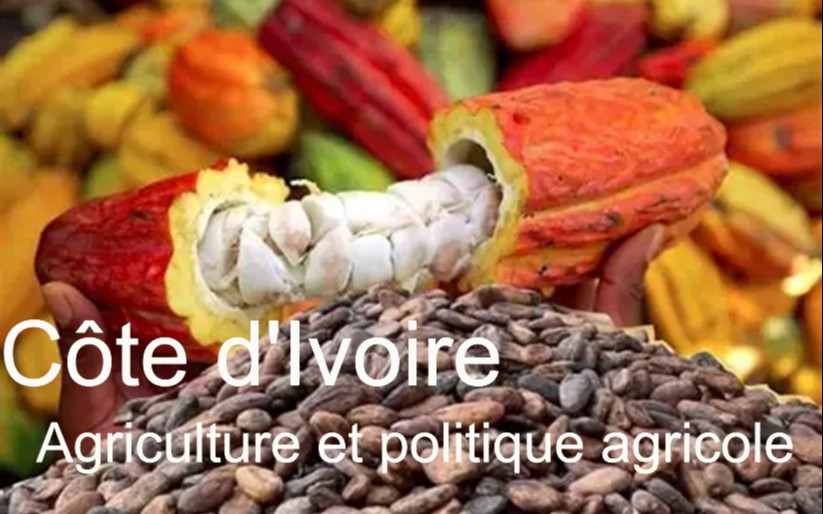
While industrial and cash crops like cocoa—the world’s top producer—cashews, and rubber remain the cornerstone of Ivorian agriculture, the country still imports a substantial portion of its cereal and fish needs to meet urban food demands. The local food crop production system remains fragmented, largely informal, and struggles with limited market access for small-scale producers.