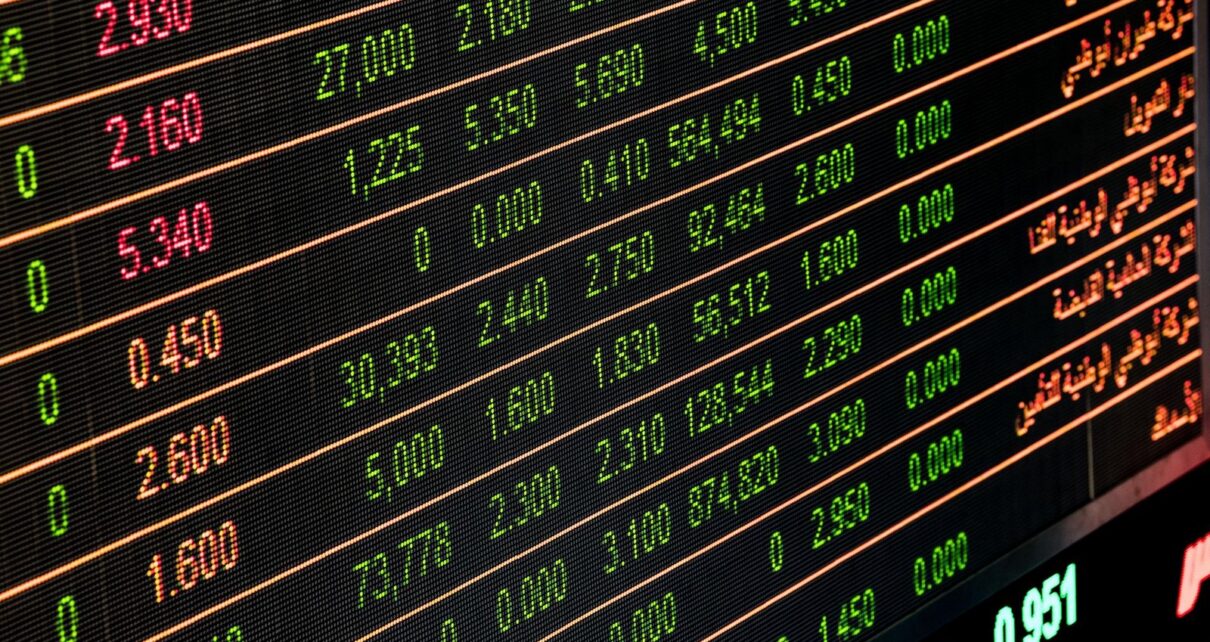
The Republic of Senegal has achieved a landmark financial milestone with its first-ever bond listing on the regional stock exchange. By debuting four sovereign bond issuances totaling 305 billion West African CFA francs on the Bourse Régionale des Valeurs Mobilières (BRVM), Dakar has fundamentally altered how its debt strategy integrates with wider West African capital markets. This strategic move positions a significant portion of Senegal’s sovereign obligations within the exchange’s structured bond segment, headquartered in Abidjan.
The historic debut arrives as regional and international observers closely examine Senegal’s fiscal trajectory following recent public finance audits that revealed elevated debt levels and raised concerns among rating agencies. The successful placement of 465 million euros in bonds sends a clear signal to regional investors about Senegal’s commitment to transparent, market-based debt management amid tight budgetary constraints.
Why this bond listing strengthens Senegal’s financial credibility
Listing multiple sovereign bonds simultaneously is not merely symbolic — it delivers tangible benefits to both issuers and investors. For the Senegalese Treasury, the move increases visibility across the institutional investor base in the West African Economic and Monetary Union (UEMOA). It also grants bondholders the ability to trade these securities on the secondary market, a feature previously limited to non-cotated public securities administered through UMOA-Titres. By introducing liquidity into what was previously an opaque debt market, Senegal has opened a new pathway for cost-effective financing.
Despite operating under increased fiscal scrutiny due to a 2024 public finance audit that raised debt-to-GDP ratios, Senegal successfully mobilized 305 billion CFA francs. This figure underscores the country’s persistent capacity to attract capital even during periods of economic constraint. The bond’s strong reception reflects growing confidence in West African debt instruments and marks a pivotal moment in the evolution of regional capital markets.
BRVM expands its role as the backbone of West Africa’s bond ecosystem
The inclusion of four Senegalese sovereign bonds significantly deepens the BRVM’s bond segment, historically dominated by Côte d’Ivoire. Over recent years, the Abidjan-based exchange has intensified efforts to attract sovereign and corporate bond issuances from all eight member states of the UEMOA. The bond market now functions as a key engine of regional financial activity, with total market capitalization exceeding several trillion West African CFA francs.
A standardized listing framework offers clear advantages to regulated investors such as insurance companies, pension funds, and regional banks operating under strict prudential standards. These institutions rely on eligible sovereign bonds for refinancing through the Central Bank of West African States (BCEAO) and for balance sheet valuation. Senegal’s initiative may well serve as a catalyst, encouraging other UEMOA member states to structure future debt issuances through the BRVM, thereby enhancing market transparency and liquidity across the bloc.
Real-world ripple effects: from market sentiment to fiscal policy
The timing of Senegal’s bond debut could not be more consequential. As President Bassirou Diomaye Faye’s administration seeks to rebuild trust with international partners following revelations about inherited debt burdens, each financial transaction carries heightened political weight. Ongoing negotiations with the International Monetary Fund (IMF) for a new support program hinge on the clarity and sustainability of Senegal’s fiscal trajectory. A successful bond placement thus reinforces credibility beyond technical achievement.
Yet, the path forward is not without challenges. Investor appetite in the UEMOA zone has shown signs of tightening, with risk premiums rising on Senegalese debt in recent months. While the BRVM listing could help compress these spreads by broadening the investor base and improving liquidity, the sustainability of frequent issuances must align with actual fiscal revenues. Over-leveraging remains a critical risk for emerging economies seeking to modernize their capital market strategies.
This development also reflects a broader trend: West African treasuries are increasingly favoring sophisticated, tradable debt instruments. By joining Côte d’Ivoire, Benin, and Togo as sovereign issuers with continuously traded debt on the BRVM, Senegal reinforces one of the UEMOA’s core integration goals — the creation of a unified, liquid regional bond market. Such collaboration, steadily realized over two decades, is now beginning to yield measurable results in market depth and investor confidence.