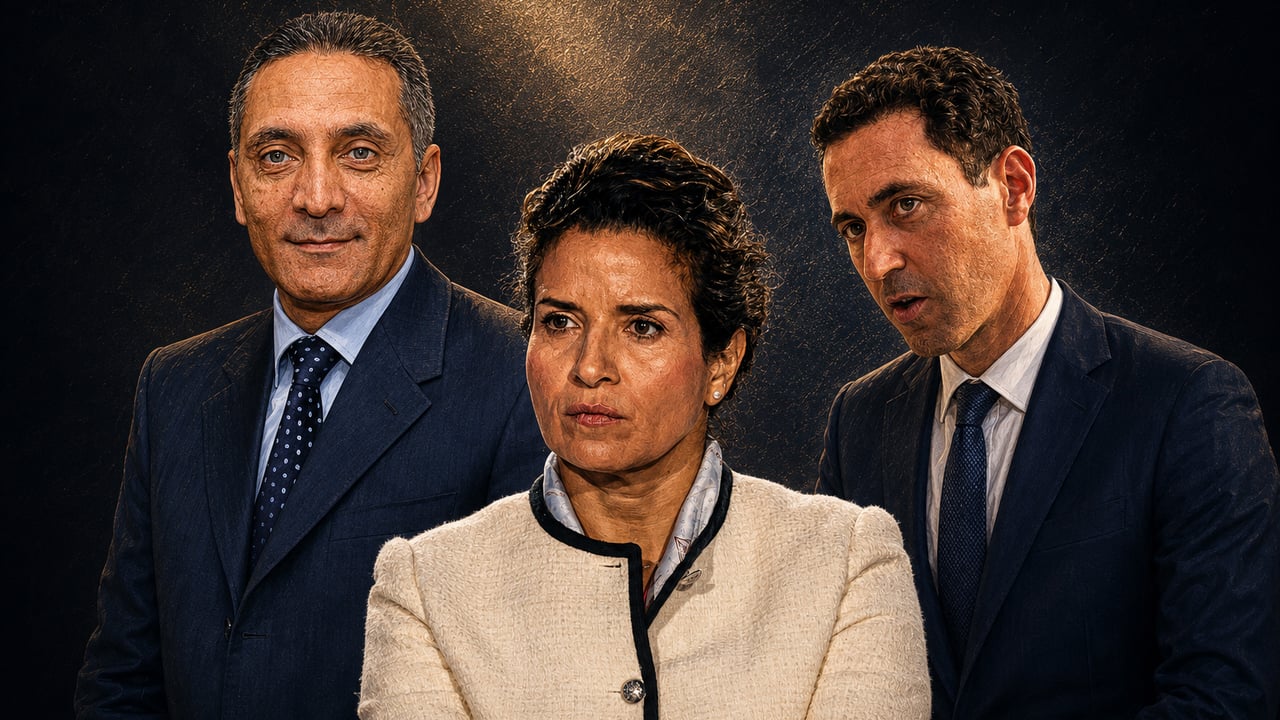
As Morocco prepares for its upcoming legislative elections, the political landscape is buzzing with potential successors to Prime Minister Aziz Akhannouch. With the vote set for September 2026, several influential figures are positioning themselves to lead the country, each bringing distinct backgrounds and ambitions to the race.
Among the most talked-about names are Mostafa Terrab, a respected industrialist and former CEO of the OCP Group, known for his economic expertise and leadership. Nizar Baraka, current Minister of Equipment and Water, stands out for his deep understanding of infrastructure and national development. Meanwhile, Abdelouafi Laftit, Interior Minister, brings decades of experience in governance and security policy.
Profiles of potential leaders
A mix of experience and ambition
While some candidates have the political clout and financial backing to make a strong bid, others bring charisma and fresh perspectives that could reshape Morocco’s government. Younes Sekkouri, former Minister of Economy and Finance, is seen as a reformist voice, pushing for economic modernization. Nadia Fettah Alaoui, ex-Minister of Tourism, has championed sectors critical to Morocco’s growth, such as trade and hospitality.
Another notable figure is Fouzi Lekjaâ, a prominent businessman with ties to key economic circles. His potential candidacy reflects the growing influence of the private sector in shaping national policies. However, the road to the Mechouar Saïd—the prime minister’s office—isn’t without hurdles. Some contenders lack the parliamentary support needed to secure a majority, while others face skepticism over their ability to unite a diverse political landscape.
The stakes of the 2026 elections
These legislative elections are more than a routine political event; they could redefine Morocco’s power dynamics. With the current government’s mandate nearing its end, the outcome will determine who takes the helm in steering the country through economic challenges and regional uncertainties. The stakes are high, and the competition is fierce.
What to watch in the coming months
- Alliances and coalitions: Political parties are already jockeying for positions, with some eyeing cross-party collaborations to bolster their chances.
- Public sentiment: Economic concerns and social issues will play a pivotal role in shaping voter preferences and, ultimately, the election results.
- Media influence: How candidates are portrayed in the press could sway public opinion, making media strategy as crucial as traditional campaigning.