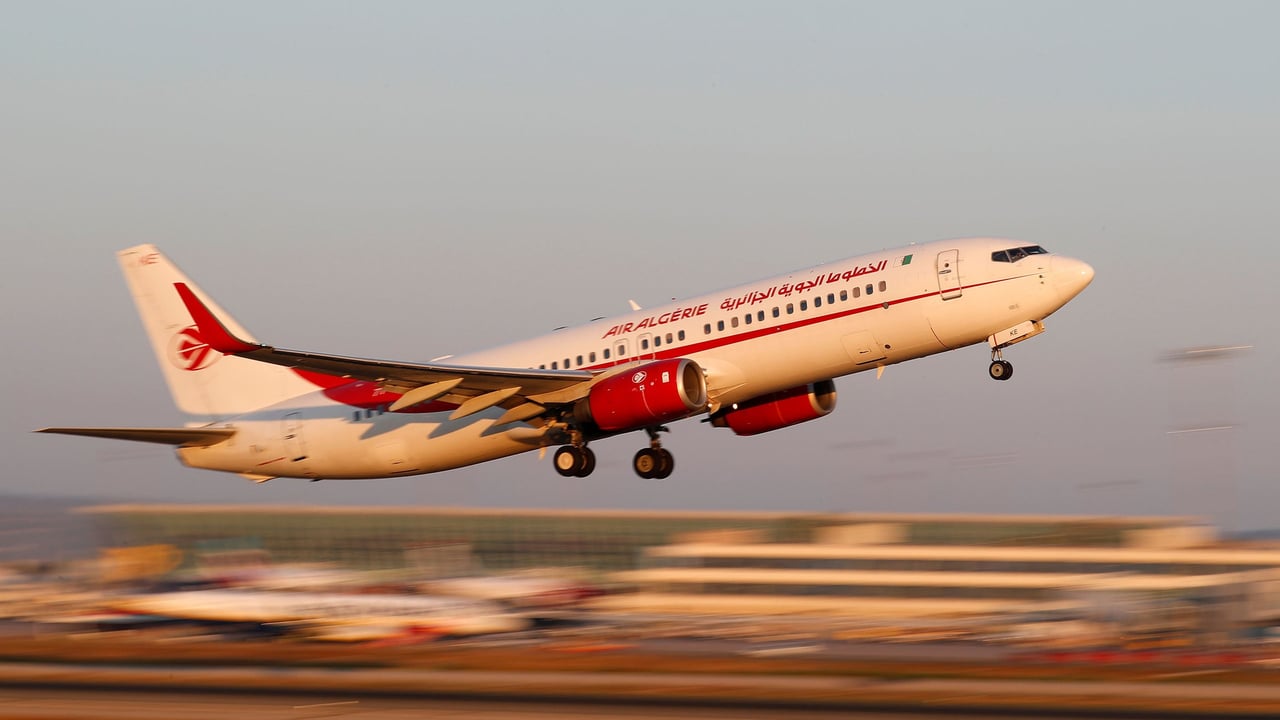

The recent thaw in diplomatic relations between Mali and Algeria is creating new opportunities for the aviation sector. Airlines such as Air France, Brussels Airlines, and Air Algérie are preparing to expand their operations, capitalizing on the easing of long-standing restrictions.
For years, the strained ties between Bamako and Algiers had cast a shadow over regional air travel. Flight routes were limited, and passengers often faced lengthy detours or cancellations. Now, with political tensions easing, the skies over the Sahel are opening up once again.
What the diplomatic shift means for travelers and airlines
The restoration of full flight connectivity between Mali and Algeria is expected to streamline travel for thousands of passengers. Business travelers, tourists, and families separated by borders will benefit from more direct routes, reduced travel time, and improved flight schedules.
The revival of these connections is particularly significant for Air Algérie, which has long been a key player in linking Algeria with West Africa. The airline is poised to reintroduce several suspended routes, including those between Algiers and Bamako, as well as additional connections to other regional hubs.
Competitive advantages for major carriers
Airlines like Air France and Brussels Airlines are also positioning themselves to take advantage of the improved climate. Both carriers operate extensive networks across Africa and Europe, and the easing of restrictions allows them to optimize their flight paths and increase frequencies between Europe and West Africa.
For passengers traveling between Paris, Brussels, and Bamako, this development translates into more choices, better pricing, and enhanced connectivity. The resumption of these routes also strengthens the role of Mali as a vital transit point in the region.
Economic ripple effects across the Sahel
The resumption of air links between Mali and Algeria is expected to have a positive impact on trade and tourism. Businesses relying on cross-border commerce will see reduced logistical costs, while travelers will find it easier to explore destinations previously hindered by political barriers.
The aviation industry’s rebound in the region could also encourage further investment in infrastructure, including airport upgrades and expanded cargo services. This, in turn, may bolster economic growth and job creation in the sector.
Challenges and considerations ahead
While the outlook is promising, challenges remain. Airlines must navigate regulatory frameworks, ensure passenger safety, and maintain operational efficiency as they ramp up services. Additionally, public confidence in air travel safety will play a crucial role in the successful revival of these routes.
As the situation continues to develop, the aviation sector in West Africa stands at a pivotal moment. The restoration of air links between Mali and Algeria is not just a diplomatic victory—it’s a lifeline for an industry eager to reclaim its momentum.