The hunt intensifies: Mali’s military government targets top jihadist and rebel figures
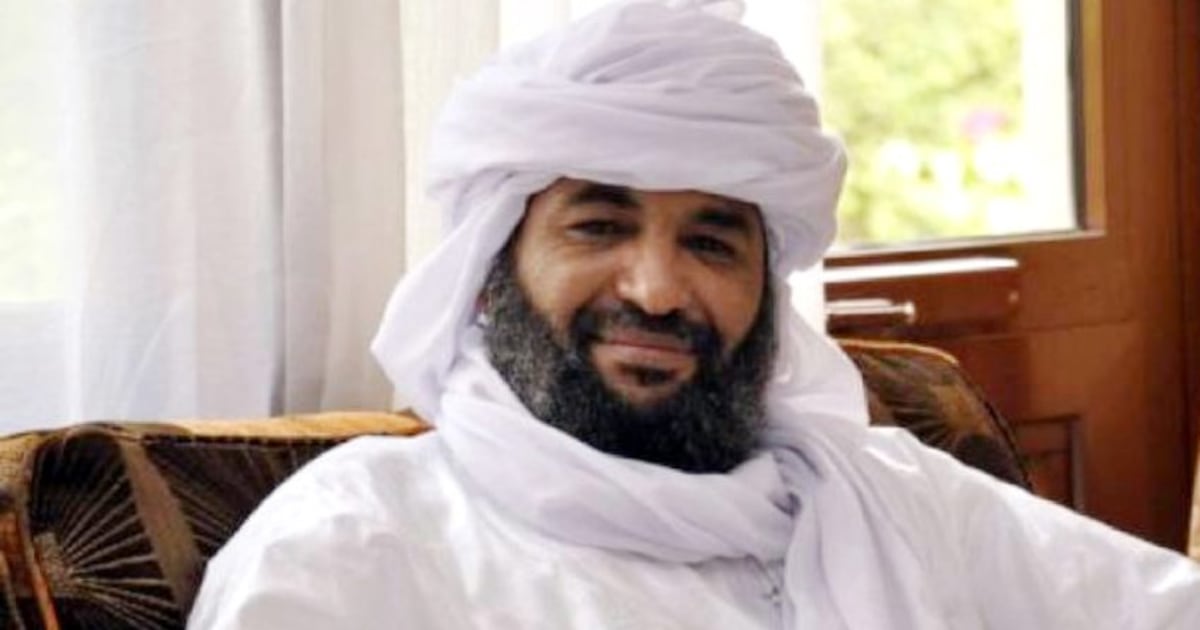
Iyad Ag Ghaly, a former Tuareg rebel and diplomat, now leads the Jama’at Nusrat al-Islam wal Muslimin (JNIM), an extremist coalition established in 2017. Once a signatory to peace accords, he has since become Mali’s most wanted man, facing United Nations sanctions, a U.S. terrorism designation, and an International Criminal Court (ICC) arrest warrant for alleged war crimes and crimes against humanity.
The Malian junta, struggling to assert control over vast swaths of its territory, has escalated its counterterrorism efforts following a series of devastating attacks on April 25 and 26. These coordinated strikes, executed by JNIM fighters in alliance with the predominantly Tuareg Azawad Liberation Front (FLA), targeted key military and government positions across multiple regions. Among the casualties was Defense Minister Sadio Camara, a 47-year-old central figure in the transitional administration, killed in a suicide bombing.
The government has now placed bounties on seven key figures, including Ag Ghaly himself, offering substantial cash rewards for credible intelligence leading to their capture or neutralization. The most prominent targets include:
- Amadou Kouffa, a senior JNIM commander, with a €2.2 million price tag;
- Alghabass Ag Intalla, a FLA leader;
- Bilal Ag Cherif, another high-ranking FLA member.
In a televised announcement, the Ministry of Security and Civil Protection framed the initiative as a critical measure to dismantle terrorist networks and restore stability. The statement emphasized that these individuals are wanted for their alleged roles in orchestrating attacks that have claimed countless lives and destabilized the nation.
Mali’s security crisis, which has festered since 2012, has been exacerbated by overlapping threats from the JNIM, the Islamic State, and local armed factions. The junta’s bold move reflects the urgency of the situation, as militants continue to exploit weak governance and porous borders to expand their influence.