Chad’s CPDP Unveils Roadmap to Restore Political Stability
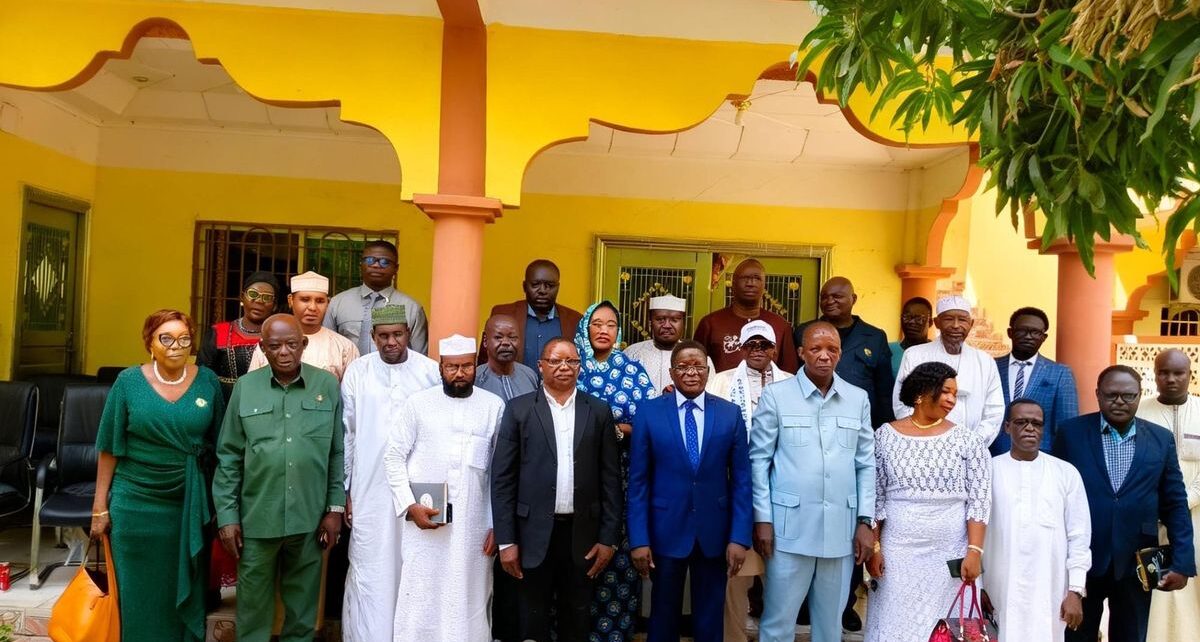
The Permanent Framework for Political Dialogue (CPDP) in Chad has taken a decisive step forward, presenting its comprehensive strategy aimed at fostering trust and reducing political tensions across the nation. Five months after its formal establishment, the organization, led by President Pahimi Padacké Albert, has outlined a clear roadmap designed to address the country’s democratic challenges.
Building Trust Through Structured Reform
Speaking at a press briefing, Padacké Albert emphasized that the CPDP, established under the 2025 Political Agreement, represents a unified platform for all legally registered political parties in Chad. With a balanced 30-member coordination—split equally between the presidential majority and democratic opposition—the CPDP is positioned as a key player in restoring political calm.
« A stable and peaceful political environment is not just desirable—it is essential for meaningful reform, particularly in electoral systems and inclusive governance, » stated Padacké Albert. The CPDP’s leadership has made it clear that without these foundations, no lasting progress can be achieved.
Three Strategic Pillars for Lasting Change
The newly unveiled roadmap is built on three core pillars, each designed to address critical aspects of Chad’s democratic process:
1. Electoral System Overhaul
The most pressing priority is a full-scale reform of Chad’s electoral framework. This includes:
- Restructuring election oversight bodies to ensure independence and transparency
- Revising the electoral code to align with international standards
- Reevaluating the distribution of National Assembly seats and the appointment of senators
- Reassessing territorial boundaries and the legal framework for opposition representation
2. Supporting Measures for Fair Elections
To safeguard the integrity of future elections, the CPDP is pushing for:
- The creation of a reliable and inclusive voter registry
- Fair and transparent funding mechanisms for political parties
3. Cross-Sector Collaboration and Inclusivity
The framework also calls for sustained engagement with state institutions and technical partners, while ensuring that even non-signatory political groups remain part of the dialogue. This approach aims to prevent exclusion and foster broad-based consensus.
Mobilizing Public Support
Padacké Albert has underscored the need for strong political commitment at every level of government. He has also urged media outlets to actively disseminate the CPDP’s roadmap, ensuring that citizens fully understand the organization’s mission and the steps being taken to stabilize the political landscape.
The CPDP is now preparing to translate these strategic goals into a detailed action plan, complete with implementation timelines and accountability measures. The coming months will reveal whether this renewed focus on dialogue can overcome entrenched divisions and usher in a new era of stability for Chad’s political class.