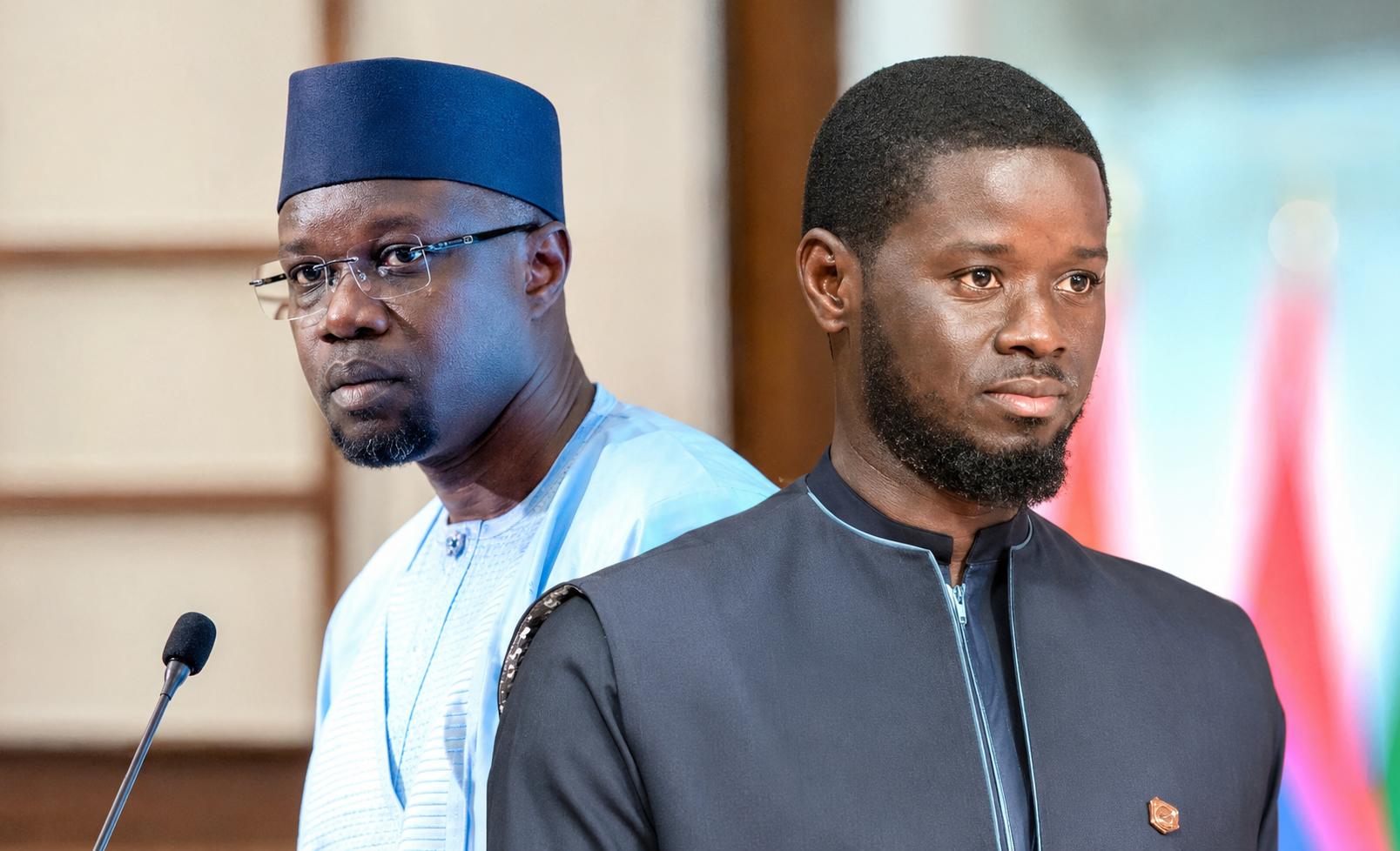
The Constitutional Council of Senegal delivered a landmark ruling on Thursday, July 9, 2026, striking down the constitutional amendment law approved by the National Assembly late last month. Acting on an urgent request from President Bassirou Diomaye Faye, the Council found the legislative procedure for adopting Law No. 18/2026 violated the country’s Fundamental Law. This legal setback lays bare serious procedural rifts at the highest levels of government while underscoring the judiciary’s vital role as a constitutional watchdog.
Unprecedented presidential intervention reshapes legislative landscape
The sweeping constitutional reform package—envisioned to rebalance executive and legislative powers, bar the president from leading a political party, and establish a new Constitutional Court—was passed by the National Assembly on June 29, 2026. Yet in a striking departure from usual practice, President Faye personally petitioned the Constitutional Council on July 6, 2026. Brought under emergency procedures, the challenge did not contest the merits of the reforms themselves but focused solely on procedural violations during parliamentary debate. The presidency submitted a comprehensive evidentiary package, including verbatim minutes of debates, records of rejected government amendments, and audio-visual recordings of plenary sessions.
Two constitutional violations lead to outright annulment
The Council grounded its decision in strict constitutional requirements, dismissing the National Assembly president’s preliminary objection that the Council lacked jurisdiction. Two clear violations of Article 82 of the Senegalese Constitution were decisive:
- Unfunded mandate rule: The Council reiterated that lawmakers may not adopt amendments or proposals that increase public expenditure or financial burdens unless offset by compensatory revenue measures. The contested bill breached this fiscal safeguard.
- Executive override: The judges found the National Assembly ignored the government’s explicit request to adjourn debate or remove contentious provisions, thereby trampling executive prerogatives in the legislative process.
The ruling explicitly states that « such procedural flaws vitiate the validity of the revision law » and results in its immediate nullification, preventing any presidential promulgation or submission to a popular referendum.
Judicial ruling fuels political debate across spectrum
While ruling-party supporters view the decision as a technical setback necessitating a more meticulous legislative overhaul, opposition figures hail it as a triumph of constitutional supremacy over legislative haste. Far from undermining state institutions, the verdict demonstrates the robustness and independence of Senegal’s constitutional judiciary in resolving high-stakes disputes between the presidency and parliament.
By striking down Law No. 18/2026, the Constitutional Council has sent a clear message: even bold institutional reforms must adhere rigorously to constitutional procedure. For President Bassirou Diomaye Faye and his administration, the path forward demands a thorough reassessment of legislative strategy—whether through a fully compliant revised bill or a direct appeal to the electorate via referendum—to deliver on the promises made to the Senegalese people.