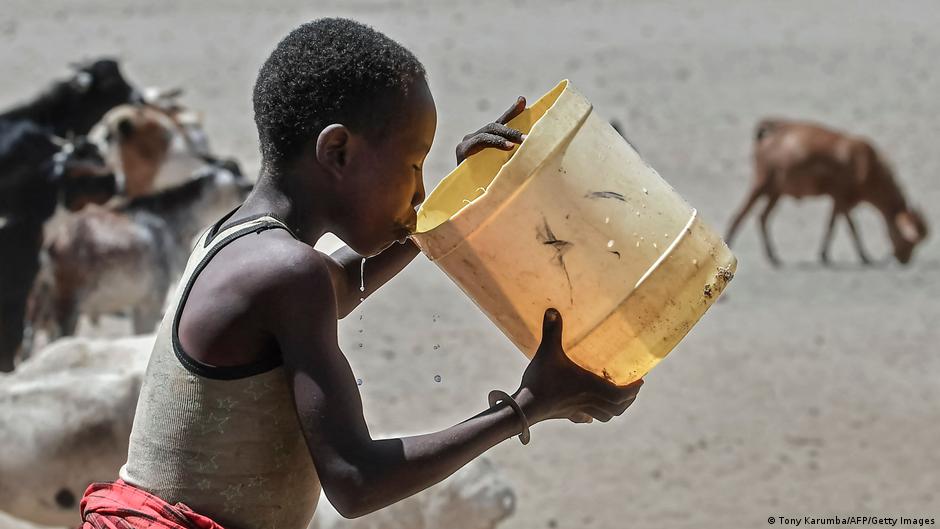
Water access in Chad: hope and doubts at the African water forum
The African Water Forum kicks off in N’Djamena, co-hosted by Chad and the World Bank Group. Under the banner “From Vision to Action”, the gathering brings together African heads of state, water experts, and technical and financial partners to chart a path toward improved continental water access.
Yet as delegates deliberate behind closed doors, many Chad residents remain skeptical. Despite official claims that 63.5% of the population now has access to drinking water, nearly 40% still lack reliable sources—a disparity starkly evident across the nation.
Residents voice urgent needs
For Eliane, a mother in N’Djamena’s crowded neighborhoods, the forum offers a glimmer of hope. “As a Chadian woman, I pray this forum delivers real change. The water some families drink is undrinkable. If this event can make a difference, I’ll welcome it,” she says. Her words echo the frustrations of millions who endure daily hardships due to water scarcity.
The forum aims to shift policy into tangible projects by fostering cross-border partnerships, mobilizing private investment, and accelerating the construction of hydraulic infrastructure. Organizers envision a future where water scarcity no longer threatens lives and livelihoods.
Distrust lingers over past failures
Not everyone shares Eliane’s optimism. Richard, a high school teacher in Abéché, remains unconvinced. “We’ve seen these forums before—empty promises and no follow-through. Water access won’t improve until leaders commit to real action, not just speeches,” he argues. His sentiment resonates with Moussa, a small business owner in Moundou, who questions the forum’s priorities: “The millions spent organizing this event could have built thousands of wells. Too often, these conferences end with reports that gather dust on shelves.”
The skepticism reflects a harsh reality: rural communities, especially in regions like Guéra, Wadi Fira, and Sila, face the worst shortages. In these areas, only 10 to 21% of households have access to safe drinking water. Families rely on contaminated ponds and seasonal streams, exposing them to waterborne diseases and malnutrition.
Regional disparities deepen the crisis
The national average masks glaring inequalities. While urban centers like N’Djamena see gradual improvements, rural families trek miles for contaminated water. The consequences are severe: cholera outbreaks, diarrhea, and stunted child growth plague these communities.
The National Human Rights Commission (CNDH) has urged authorities to prioritize water infrastructure, sanitation, and climate-resilient water management. “Water is not just a basic need—it’s the foundation of peace, social cohesion, and human development,” stresses CNDH President Belngar Larmé Laguerre. The commission calls for sustained investment and stronger international partnerships to tackle the crisis head-on.
Governance questions overshadow the forum
Beyond water itself, the forum’s organizational structure has sparked debate. Responsibility for the event was assigned to the Ministry of Finance and Economic Planning—not the Ministry of Water. Critics argue this signals a systemic flaw in how Chad manages its water policies.
With millions still waiting for clean water, the forum’s success hinges on more than declarations. Concrete investments, transparent governance, and unwavering political will are the only paths to lasting change.