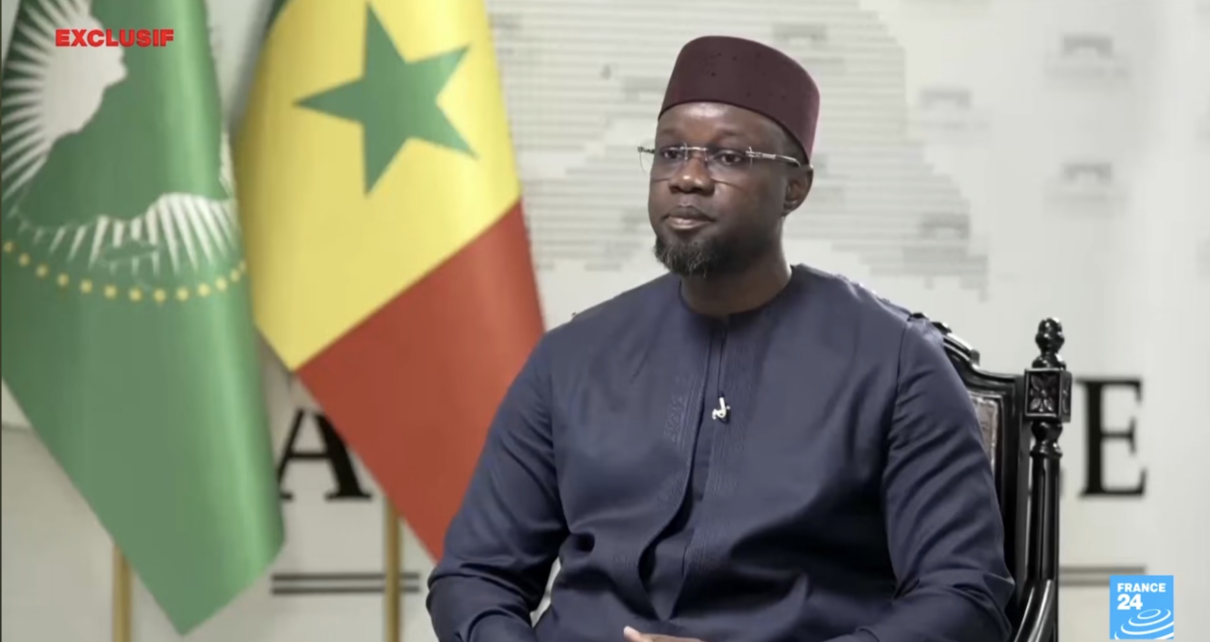
Ousmane Sonko, president of Senegal’s National Assembly, has rekindled discussion of the country’s public debt burden, suggesting that some obligations inherited from the previous administration could potentially be classified under the legal theory of “odious debt.”
In a recent interview, the PASTEF leader defended the new government’s approach of providing full transparency on public finances to both citizens and international partners. He argued that such openness was essential to establishing a credible and sustainable economic governance framework.
“We have chosen to start from a clean foundation,” Sonko declared, warning that concealing the true budget situation would have further destabilised the national economy.
While reaffirming that a sovereign state must honour its financial commitments, the National Assembly president acknowledged that certain debts incurred under specific circumstances warrant closer scrutiny. He called for an international discussion on how to define and manage liabilities considered “odious.”
This concept, recognised in international law, typically applies to debts contracted without the consent or benefit of the population, though its legal application remains contentious within the global community.
Reflecting on his tenure as prime minister, Sonko noted that he had lacked the full institutional authority at that time to carry this inquiry to completion. However, he stressed that his views align with those of President Bassirou Diomaye Faye regarding fiscal management.
The political leader also reiterated his opposition to any abrupt debt restructuring, insisting that preserving Senegal’s financial credibility with partners, particularly the International Monetary Fund, is crucial.
According to Sonko, solutions to the debt crisis must balance budget discipline, economic sovereignty, and the continuation of structural reforms needed for national development.
As global economic uncertainties and geopolitical tensions persist, the debate over public debt sustainability continues to emerge as a key economic challenge for Senegal.