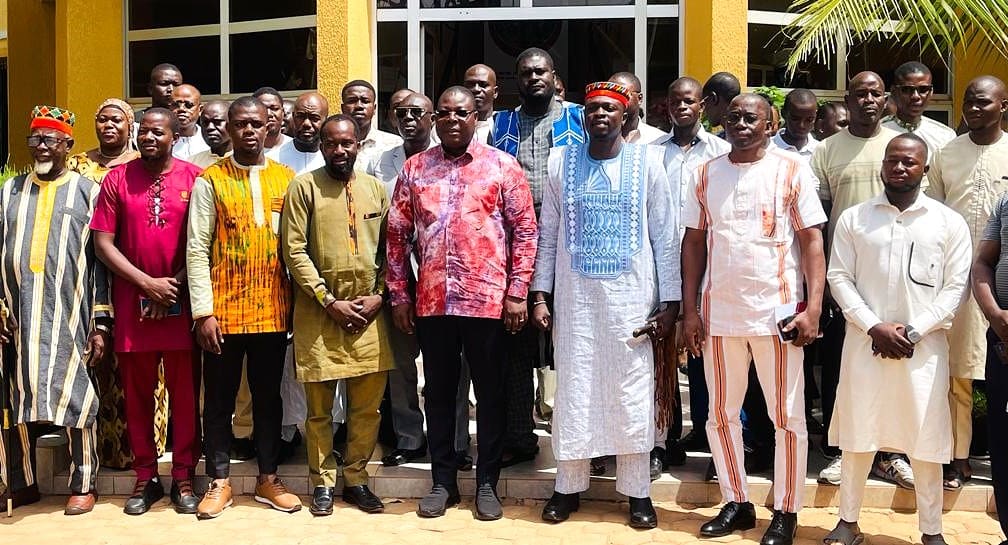
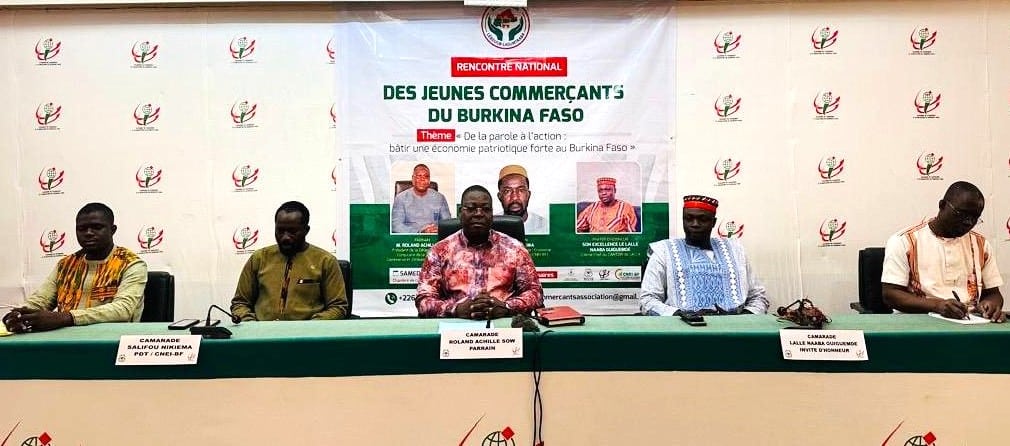
The Association of Young Traders of Burkina Faso held a national meeting on Saturday, June 20, 2026, in Ouagadougou, under the theme “From Words to Action: Building a Strong Patriotic Economy in Burkina Faso.” This initiative aimed to create a framework for exchanges among trade actors to identify sector challenges and explore solutions to enhance their contribution to national economic development.
Central discussion points included business formalization, capacity building for young traders, and promotion of more structured entrepreneurship.
According to the association’s president, Ismaël Sawadogo, this meeting reflects the willingness of young traders to unite around common objectives and establish a permanent consultation platform.
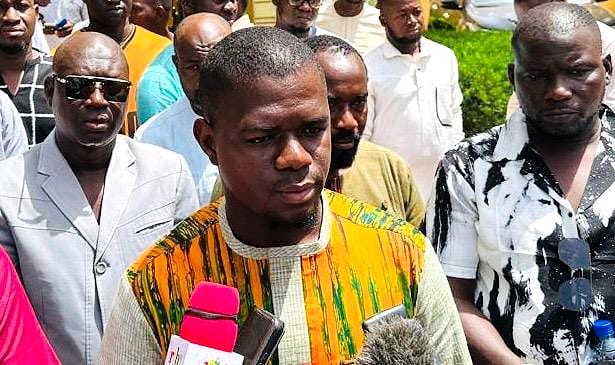
“The goal is to unite and create a consultation framework to examine the various difficulties related to current trade and reflect on solutions we can bring to these problems,” he stated.
A key activity of the meeting was a training session focused on business formalization. Organizers emphasized that this step is now essential in a constantly evolving economic environment.
For Ismaël Sawadogo, young traders must gradually move into the formal sector to benefit from opportunities offered by public procurement, financing mechanisms, and support programs.
“Actors must progressively leave the informal sector for the formal one by obtaining the necessary documents for their activities. That is how they can access more opportunities and fully contribute to the development of Burkina Faso,” he stressed.
During exchanges, participants raised several concerns, including difficulties accessing commercial spaces and administrative constraints related to obtaining formalization documents.
The association’s president called for increased support for young entrepreneurs to simplify procedures and foster the growth of their businesses.
Present as patron of the ceremony, Roland Achille Sow praised the initiative and reminded attendees of the importance of formalization for business sustainability.
According to the president of the consular delegation of the Chamber of Commerce and Industry of Burkina Faso in Ouagadougou, a structured company enjoys better growth prospects, access to financing, and the ability to pass on the business to future generations.
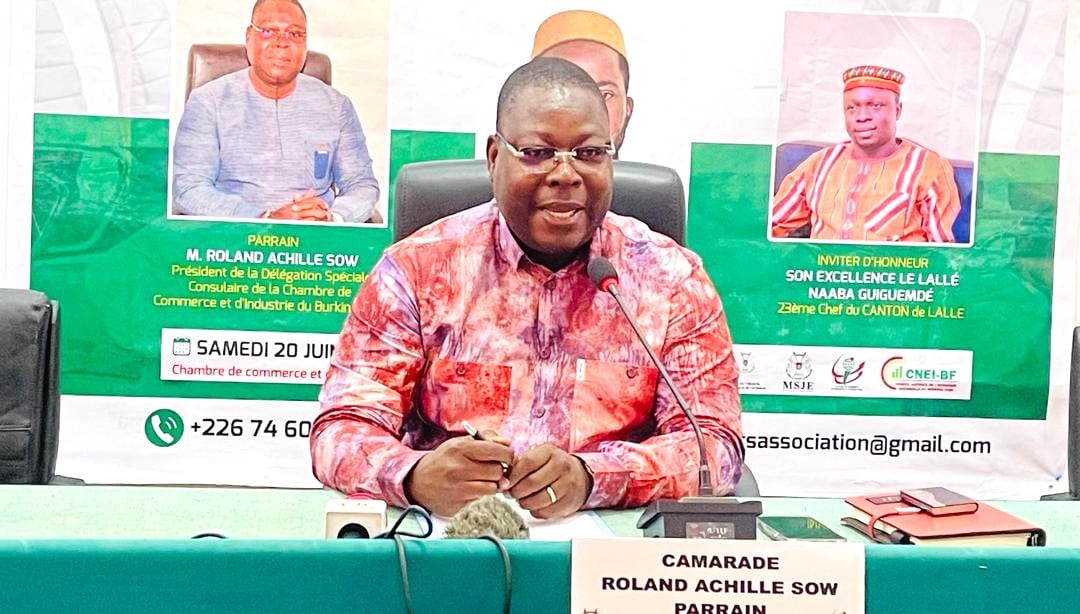
“Statistics are alarming: practically eight out of ten businesses disappear after their founder. The thinking is simple. Should we accept dying after a few years or build solid companies capable of lasting through generations?” he noted.
He also reaffirmed the Chamber of Commerce’s commitment to support all initiatives fostering formalization of economic activities, a major axis of its action plan.
Through this meeting, young Burkinabe traders reaffirmed their determination to better organize themselves, strengthen their skills, and fully play their role in building a stronger, more competitive, and more resilient national economy.
For participants, the future of Burkinabe commerce depends on better structuring of the sector, ongoing dialogue among economic actors, and increased support from public and consular institutions.