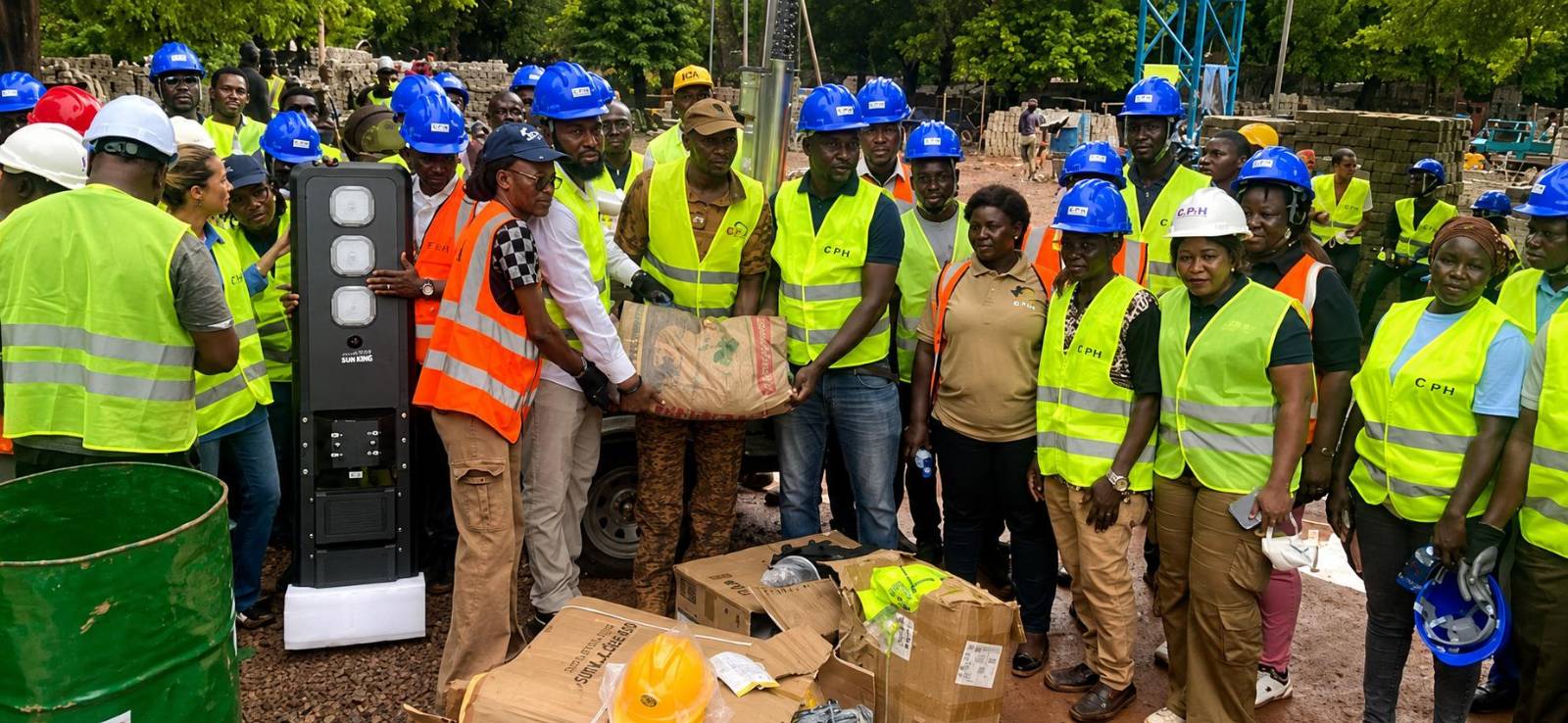
The Ministry of Economy and Finance recently announced that over 261 million West African CFA francs had been collected under the Faso Mêbo initiative by May 15, 2026. While officials celebrate this progress, a growing number of citizens and analysts are questioning the real purpose behind this voluntary fundraising drive.
Is Faso Mêbo a genuine act of patriotism or just another financial burden?
At its core, the debate centers on whether this initiative truly serves the public interest or merely masks deeper issues within national budget management. Burkinabè taxpayers already contribute significantly to the state through mandatory taxes and levies, even in the face of economic hardship and persistent security challenges.
The illusion of voluntary contribution
Critics argue that Faso Mêbo, while framed as a patriotic gesture, risks creating a dangerous precedent. By encouraging additional voluntary payments on top of existing tax obligations, the initiative could be seen as a form of double taxation—one that exploits citizens’ sense of duty without guaranteeing greater accountability in public spending.
For many, the timing and structure of Faso Mêbo raise concerns. If the state is already collecting funds through formal tax mechanisms, why introduce parallel collection methods that lack the transparency of the national budget? This approach fuels skepticism about whether the money will be used effectively or simply disappear into opaque financial channels.
Where does the money really go?
The lack of clear communication about how Faso Mêbo funds will be allocated has intensified public distrust. Citizens who already comply with their tax responsibilities question whether this initiative is truly about national development or merely a stopgap measure to address budget shortfalls without addressing systemic inefficiencies.
Instead of relying on perpetual fundraising drives that resemble national tontines (informal savings groups), many believe the government should focus on optimizing the existing national budget. A transparent, well-managed tax system would eliminate the need for such initiatives while ensuring that every franc collected serves its intended purpose—whether for defense, infrastructure, or essential public services.
The way forward: transparency over repeated appeals
The Burkinabè people have demonstrated remarkable fiscal responsibility, even in difficult times. Their willingness to contribute should not be taken for granted or exploited under the guise of patriotism. What the nation truly needs is a commitment to fiscal transparency and responsible governance—not endless appeals for voluntary donations that could undermine trust in the long run.
Until concrete steps are taken to address concerns about financial mismanagement, initiatives like Faso Mêbo risk being perceived as a bandage on a deeper wound—one that demands structural reforms rather than repeated public appeals.